
Safety is a top priority in various industries, especially in construction, where workers are often exposed to high-risk environments. One of the most crucial pieces of equipment designed to protect workers from falling is the safety harness.
These devices are a fundamental part of personal fall arrest systems, which are specifically designed to minimize the risk of injury in the event of a fall. Full body harnesses, which are part of this system, provide support by distributing the forces encountered during a fall across the wearer’s body, helping to prevent severe injuries. To understand the significance of safety harnesses, it’s important to explore their features, uses, and the regulations that guide their design and application.
The Design and Functionality of Safety Harnesses
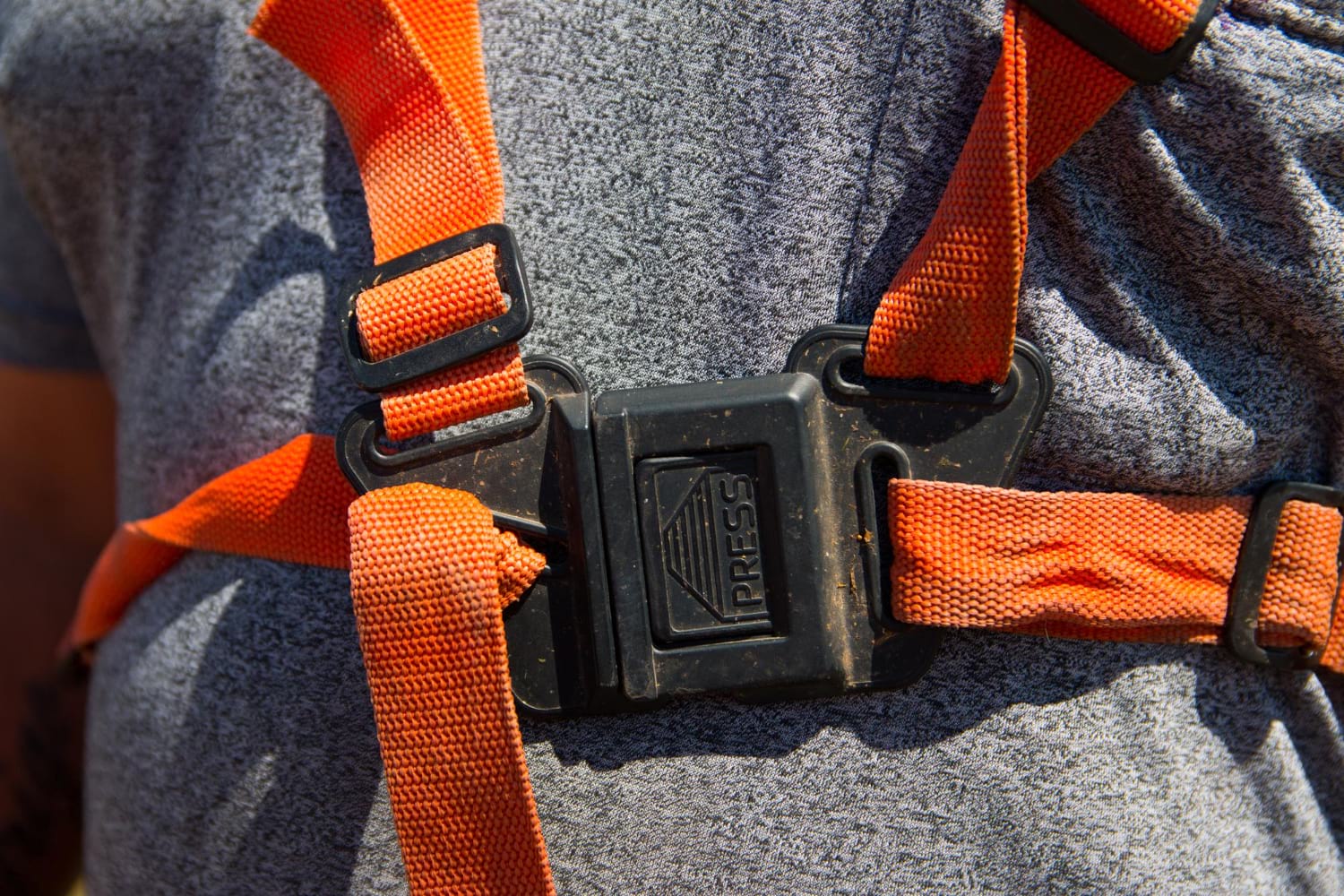
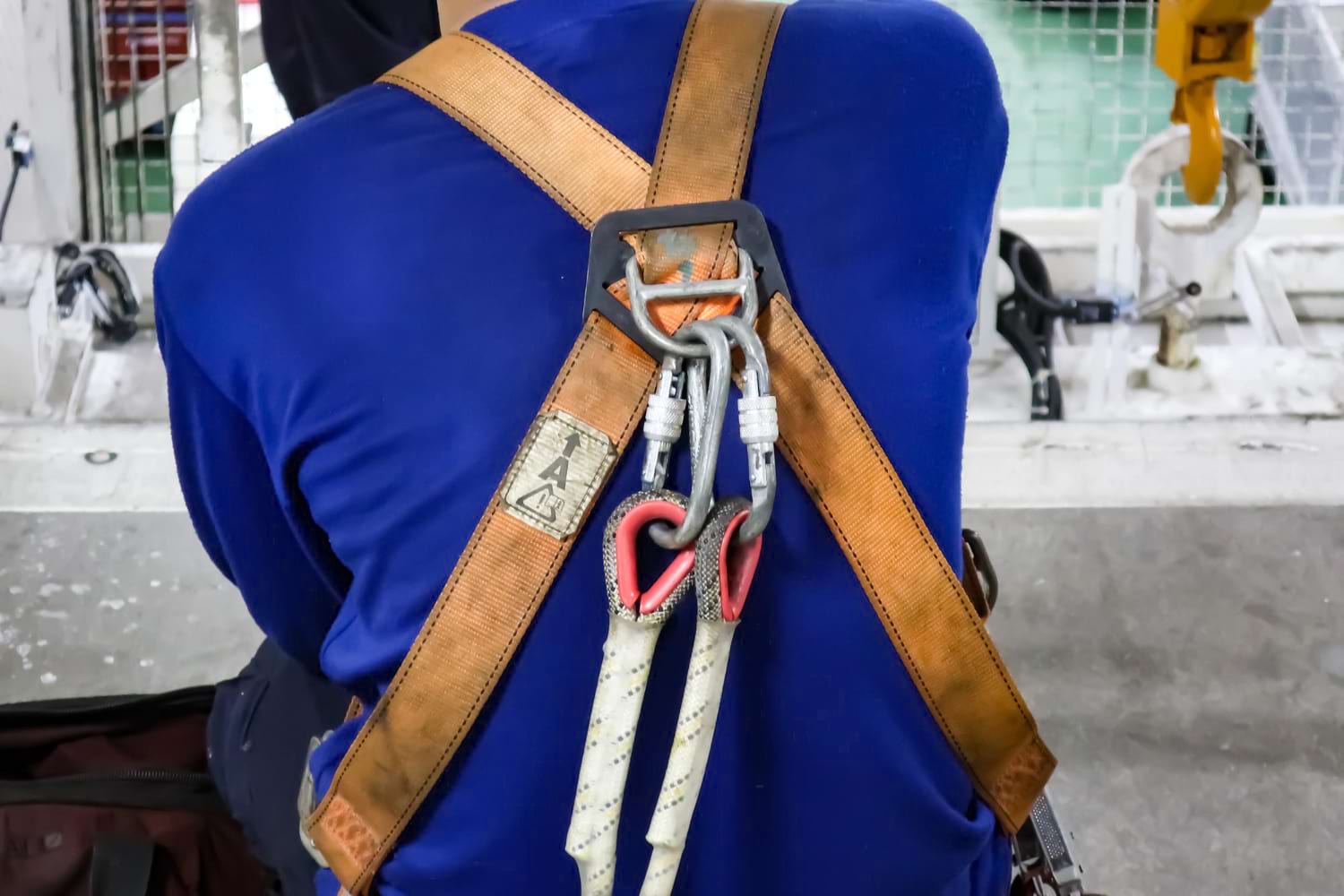
A safety harness is made up of straps that go around the body, typically over the shoulders, chest, and legs. It includes a lanyard, D-ring, and other connection points that allow it to be securely attached to a fall arrest system. Full body harnesses are designed to distribute the forces experienced during a fall over a larger area of the body, reducing the potential for injury. Without this distribution, the impact from a fall can cause serious injuries, especially in high-impact situations. The harness works in conjunction with other fall protection equipment, such as ropes, lifelines, and anchors, to ensure that the worker is caught safely before they hit the ground.
Full body safety harnesses are designed to ensure that the user stays upright and remains in a stable position, even during a fall. This feature is critical in preventing further injuries, such as whiplash or suspension trauma. The use of this equipment is essential for workers who are exposed to heights or hazardous work environments, where falls can be fatal. Without a properly fitted harness, workers are at a significantly higher risk of injury or death.
The Importance of Compliance with Safety Regulations
For a safety harness to be effective, it must meet specific safety regulations and standards. These regulations are put in place to ensure the harnesses are designed and manufactured to withstand the forces that may be exerted on them during a fall. In the United States, for instance, OSHA (Occupational Safety and Health Administration) mandates that all fall protection equipment must comply with certain performance standards, including strength, durability, and functionality. European standards, such as those provided by EN 361, also play a critical role in ensuring that safety harnesses meet the necessary requirements.
Compliance with safety regulations is crucial for the protection of workers. A safety harness that does not meet these standards could fail during a fall, leading to potentially catastrophic consequences. Regular inspections, proper maintenance, and the use of harnesses that are in good condition are all essential practices to ensure the reliability of fall arrest systems. Additionally, workers must be properly trained in how to use these devices to ensure they are getting the full benefit of the harness’s protective features.
There are various types of safety harnesses designed for different applications. For example, the construction industry often requires harnesses that can withstand heavy impacts, while those used in the entertainment or rescue industries may need to offer more flexibility and comfort. The type of harness chosen will depend on the nature of the work and the specific hazards involved. Some harnesses are designed for fall restraint, while others are for fall arrest, and each type plays a different role in ensuring safety.
Harnesses are also available in different sizes to accommodate various body types. It’s essential for workers to wear a harness that fits correctly to ensure maximum protection. A poorly fitted harness can cause discomfort or, worse, fail to protect the worker effectively. Manufacturers often provide detailed sizing charts and guidance to help employers and workers select the proper equipment.
