
Why Fall Risks Still Catch Teams Off Guard
Working at height is one of those tasks that can look routine—until a small detail changes. A slick surface after light rain, a missing toe board, a hurried handoff between shifts, or a tool left where it shouldn’t be can turn a normal day into an emergency. The most dangerous situations often come from “almost safe” conditions: a ladder that is only slightly unstable, a platform that is mostly guarded, a checklist that is nearly completed. Because the job gets done, people assume the setup was acceptable, and the same shortcuts repeat.
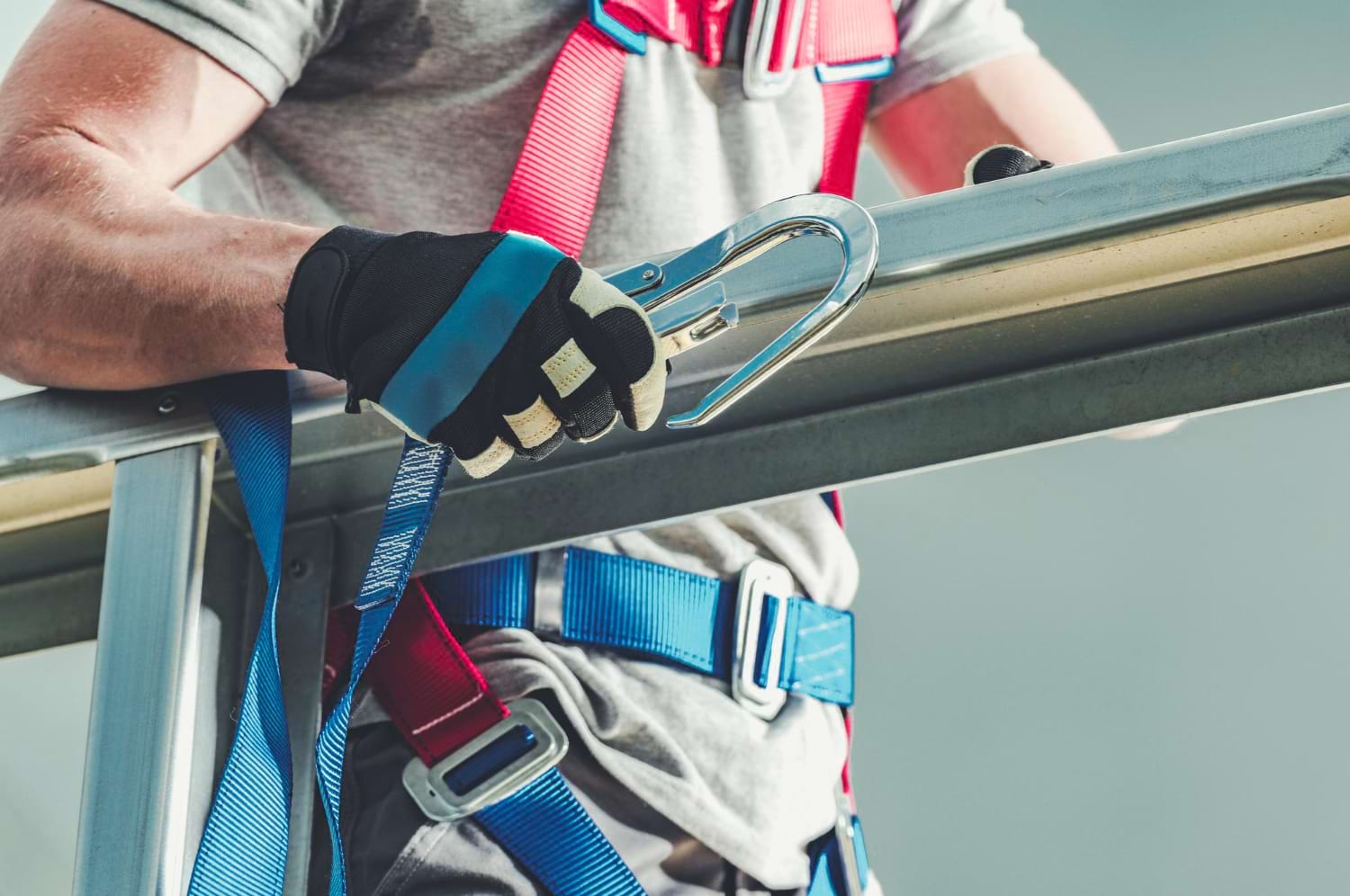
A strong prevention mindset starts long before anyone climbs. Planning should include a quick, practical risk review: where people will walk, where materials will be stored, how access will be controlled, and what rescue plan exists if something goes wrong. Clear roles matter too—when responsibility is shared vaguely, accountability disappears. Consistent communication, simple visual reminders, and short pre-task briefings help keep attention on the real hazards rather than on assumptions.
Practical Controls That Make Safe Work the Default
Effective fall prevention is rarely about one big rule; it is about layers that work together. First, prioritize collective protection: guarded edges, proper scaffolding, secure work platforms, and controlled access routes. Next, ensure equipment inspections are not treated as paperwork. A quick, honest check of anchors, connectors, and wear points can prevent failures that nobody sees coming. Training should be hands-on and repeated—people remember what they practice, not what they only read.

Procurement decisions also shape behavior. When gear is uncomfortable, hard to adjust, or confusing to use, workers avoid it. Choose solutions that match the task and fit the user, then standardize where possible so teams don’t improvise under pressure. It also helps to connect safety to workflow: keep storage organized, make inspection tags easy to read, and place guidance where the work happens. Over time, teams begin to treat fall protection equipment as a normal part of quality work, not as an extra burden. Finally, encourage reporting of near-misses without blame—those small signals are often the best chance to improve before an accident forces change.
