
Engagement Through Immersion
Learning by Experience Rather Than Observation
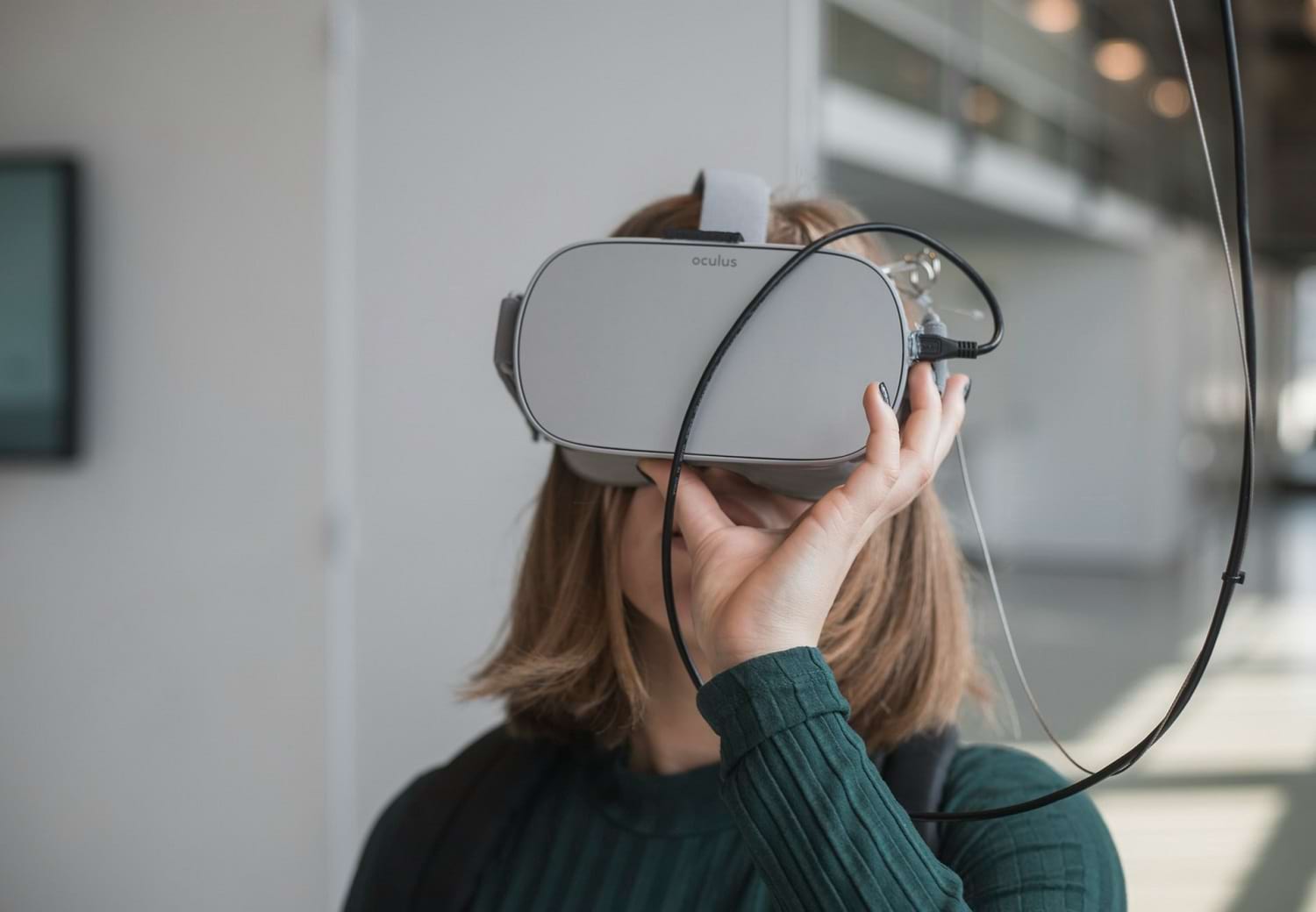
Organizations aiming to improve employee performance increasingly prioritize methods that encourage active involvement. VR training introduces learners to immersive digital environments where they can interact with realistic scenarios instead of simply observing instructions. This experiential approach supports deeper understanding, as users must respond to situations, make decisions, and adapt their actions in real time. The sense of presence created by virtual simulations enhances focus and emotional engagement, which leads to stronger memory retention and greater confidence when similar challenges arise in real working conditions.
Adaptive Environments for Targeted Skill Development
Flexibility plays an important role in effective education strategies. VR training enables companies to design scenarios that directly reflect their operational context, including specific tools, procedures, and safety requirements. Training modules can be adjusted to match different roles, experience levels, or regulatory standards, ensuring relevance for every participant. This adaptability allows learning programs to remain aligned with business goals and to evolve alongside organizational growth, technological upgrades, or process changes.
Efficiency, Scale, and Future Growth
Cost Optimization and Global Consistency
Beyond educational impact, VR training offers tangible economic benefits. Once virtual modules are developed, they can be deployed repeatedly without the ongoing expenses associated with travel, physical materials, or on-site instructors. This makes training delivery more predictable and easier to scale across international teams. Employees in different regions receive the same high-quality experience, supporting uniform standards and reducing discrepancies in knowledge transfer. Over time, this consistency contributes to improved productivity and measurable financial returns.
Expanding Capabilities Through Innovation
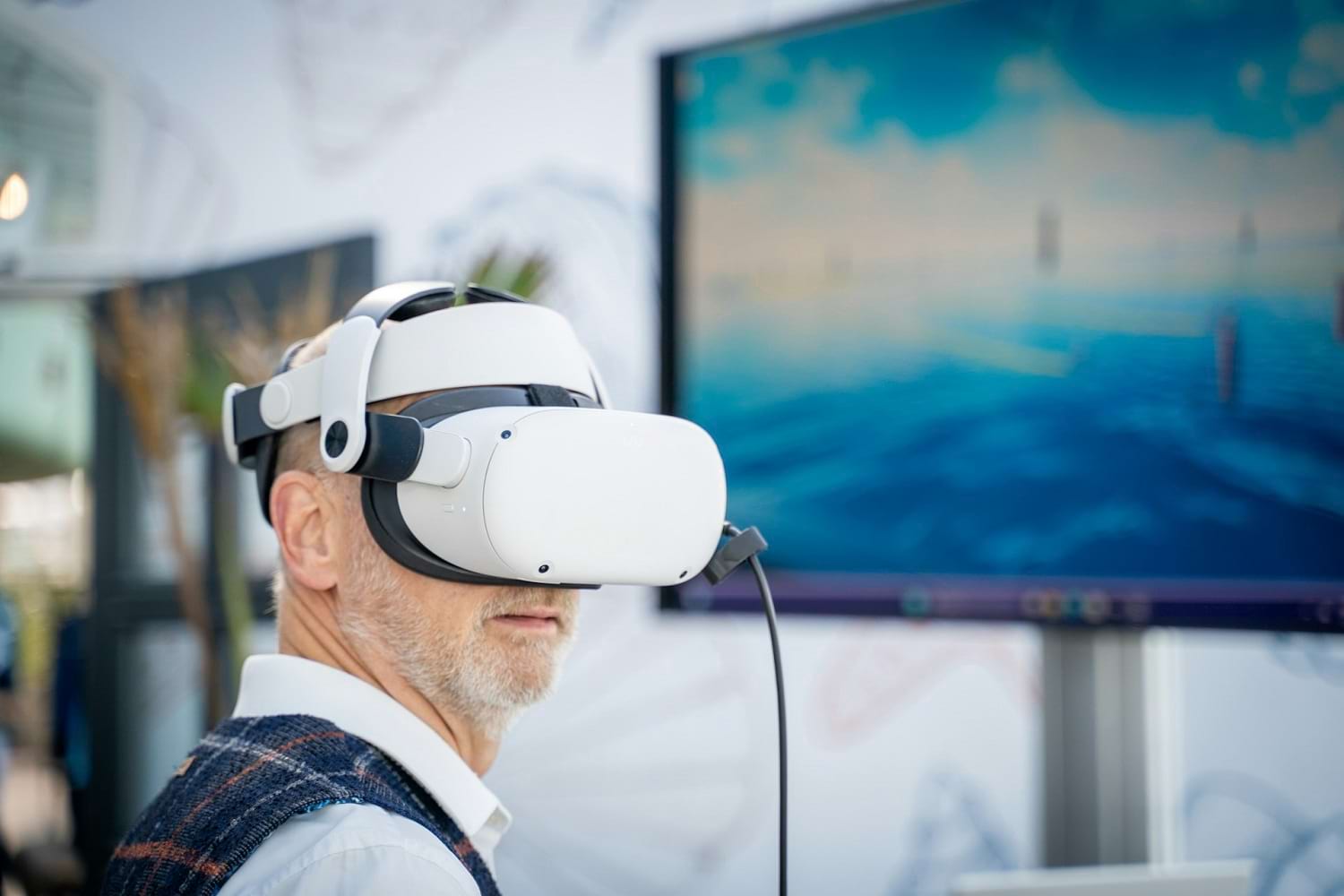
The long-term value of VR Training is strengthened by continuous technological advancement. Integration with artificial intelligence enables scenarios to respond dynamically to user behavior, creating personalized learning paths. Emerging haptic technologies further enhance realism by adding tactile feedback, which supports motor skill development and procedural accuracy. These innovations extend the range of possible applications across sectors such as healthcare, manufacturing, and engineering, positioning VR training as a sustainable and future-ready approach to workforce development.
